
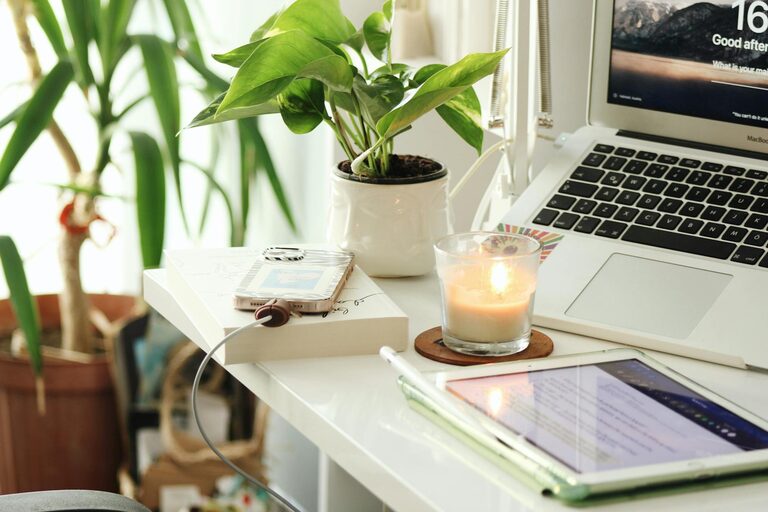
Tips for Creating a Cozy and Functional Home Workspace
Creating a cozy and functional home workspace is essential for anyone who spends significant time working from home. Whether you’re freelancing, running a small business, or simply need a dedicated area for tasks, having a space that combines comfort with productivity can enhance your focus and well-being. In this post, we’ll explore practical tips to help you design a workspace that feels inviting yet supports your work needs.
Why a Cozy and Functional Workspace Matters
A well-designed workspace impacts your motivation, comfort, and productivity. When your environment suits your work style and personal preferences, you’re more likely to stay focused and enjoy the time spent working. A cozy space reduces stress and fatigue, while a functional setup ensures your tools and equipment are easily accessible.
Choosing the Right Location
The first step is to pick the best spot for your workspace.
– Consider natural light: Areas near windows provide sunlight that boosts mood and reduces eye strain.
– Minimize distractions: Choose a quiet corner away from high-traffic zones in your home.
– Think about space: Make sure there’s enough room for your desk, chair, and any other essentials.
If space is limited, a small nook or a converted closet can become a productive workspace with some creativity.
Selecting Comfortable Furniture
Your furniture choices affect both comfort and efficiency.
– Ergonomic chair: Invest in a chair that supports your back and encourages good posture.
– Desk size: Choose a desk with enough surface space to hold your computer, notebooks, and other materials without feeling cluttered.
– Adjustable options: Consider desks or chairs that can be adjusted to your height for better ergonomics.
Remember, comfort helps prevent fatigue and keeps you focused over long work periods.
Organizing for Functionality
Keeping your workspace tidy will significantly improve productivity.
– Use storage solutions: Shelves, drawers, and organizers help keep supplies in order.
– Declutter regularly: Remove unnecessary items to create a calm environment.
– Arrange frequently used items within reach: Avoid getting up repeatedly to fetch tools or documents.
Labeling drawers or containers can also save time when looking for supplies.
Lighting: Combining Natural and Artificial Sources
Good lighting is key for both comfort and focus.
– Maximize daylight: Position your desk near a window but avoid glare on your computer screen.
– Use layered lighting: Combine ceiling lights, task lamps, and ambient lighting for versatility.
– Choose warm or neutral light: This type of lighting reduces eye strain and creates a welcoming atmosphere.
Adjustable desk lamps allow you to direct light exactly where you need it.
Adding Personal Touches
Personalizing your workspace makes it more enjoyable to spend time there.
– Incorporate plants: They improve air quality and add a refreshing green touch.
– Display inspiring items: Photos, artwork, or motivational quotes can uplift your mood.
– Select calming colors: Soft hues like blues and greens promote relaxation, while bright accents can energize.
Just be careful not to overcrowd your space with too many items.
Managing Technology and Cables
Technology is essential but can also cause clutter if unmanaged.
– Use cable organizers: Clips, sleeves, or boxes keep cords untangled.
– Invest in wireless devices: Wireless keyboards, mice, and headphones reduce cable mess.
– Maintain digital organization: Keep your computer desktop and files organized for efficiency.
Regularly updating your software and backing up work also helps avoid technical interruptions.
Building a Routine and Boundaries
A cozy workspace supports a healthy work-life balance.
– Set regular hours: Stick to a schedule to maintain productivity.
– Take breaks: Stand up, stretch, or move around to reduce physical strain.
– Separate work and leisure: When work is done, leave your workspace to signal downtime.
This structure helps your brain switch between work mode and relaxation.
Final Thoughts
Designing a cozy and functional home workspace is about balancing comfort and practicality. By choosing the right location, investing in ergonomic furniture, organizing effectively, and personalizing your surroundings, you can create an environment that nurtures your productivity and well-being. With some thoughtful planning, your home workspace can become a place you look forward to working in every day.
