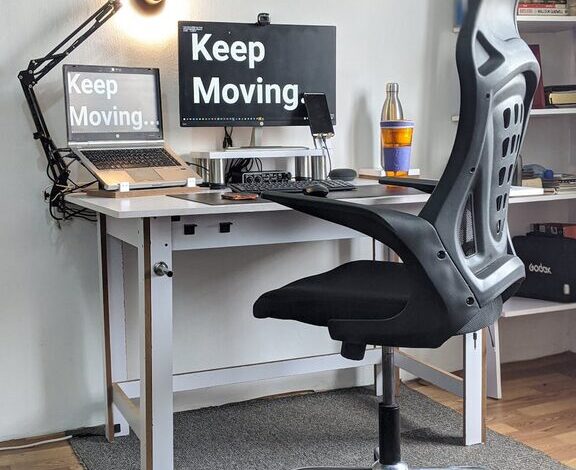

How to Create a Productive Home Workspace for Focus and Comfort
Creating a productive home workspace is essential for anyone working remotely or spending a significant amount of time at home on work-related tasks. A well-designed space can help you stay focused, reduce stress, and even improve your overall well-being. Whether you have a dedicated room or a small corner of your home, optimizing your workspace can make a big difference. Here are some practical tips to help you create a home office that enhances both focus and comfort.
Choose the Right Location
Finding the best spot in your home for work is the first step toward productivity. Ideally, pick a quiet area with minimal distractions. If possible, select a room with a door to separate your workspace from the rest of your living area. Natural light is another important factor—try to position your desk near a window to benefit from daylight, which can improve mood and alertness.
Consider Noise Levels
If you live in a busy household or noisy neighborhood, think about ways to reduce noise. This might include using noise-canceling headphones, adding rugs or curtains to absorb sound, or using a white noise machine to mask distractions.
Invest in Ergonomic Furniture
Comfort is key to maintaining focus during long work hours. An ergonomic chair and desk can prevent strain and physical discomfort.
– Chair: Choose a chair that supports your lower back and allows your feet to rest flat on the floor.
– Desk: A desk at the right height helps keep your wrists and arms in a natural position.
– Monitor placement: Position your computer screen at eye level to avoid neck strain.
If space allows, consider sit-stand desks, which let you alternate between sitting and standing throughout the day, promoting better circulation and energy.
Organize Your Workspace Efficiently
Clutter can be a major distraction and reduce productivity. Keep your workspace tidy by organizing supplies and equipment.
– Use drawers, shelves, or bins to store items you don’t need often.
– Keep only essential items on your desk, such as a computer, notebook, and pens.
– Arrange cables neatly using clips or cable ties to prevent tangling.
In addition to physical organization, planning your workday with a to-do list or planner can help maintain focus and manage time effectively.
Optimize Lighting
Good lighting is vital for eye comfort and concentration.
– Combine natural light with adjustable task lighting.
– Use a desk lamp with a warm light tone to reduce eye fatigue.
– Avoid glare on your computer screen by positioning lights or windows accordingly.
Personalize Your Space
Adding personal touches can make your workspace a more inviting and inspiring place to be.
– Hang artwork, photos, or motivational quotes.
– Include plants, which improve air quality and create a calming environment.
– Choose colors that you find soothing or energizing.
Just be mindful not to add too many distractions.
Manage Digital Distractions
Technology is essential for work but also a common source of distraction.
– Turn off unnecessary notifications on your computer and phone.
– Use apps or browser extensions that block distracting websites during work hours.
– Schedule breaks to check messages or social media so you don’t lose focus for extended periods.
Incorporate Breaks and Movement
Regular breaks improve productivity and comfort.
– Follow the 20-20-20 rule: every 20 minutes, look at something 20 feet away for 20 seconds to reduce eye strain.
– Stand up, stretch, or walk around every hour to avoid stiffness.
– Use break time to hydrate and refocus.
Maintain a Consistent Routine
Establishing a daily schedule helps create clear boundaries between work and personal life.
– Start and end your workday at consistent times.
– Dress in comfortable but work-appropriate clothing to signal focus.
– Plan your workspace setup as part of your morning routine.
Keep Air Quality Fresh
A well-ventilated workspace helps you stay alert and comfortable.
– Open windows for fresh air when possible.
– Use air purifiers or fans to maintain airflow.
– Include plants that naturally improve air quality.
—
Creating a home workspace that supports focus and comfort takes some planning but leads to greater productivity and well-being. By paying attention to your location, furniture, lighting, organization, and lifestyle habits, you can enjoy a workspace that helps you do your best work every day. Remember, the goal is to create an environment tailored to your needs, inspiring you to stay motivated and comfortable while working from home.