
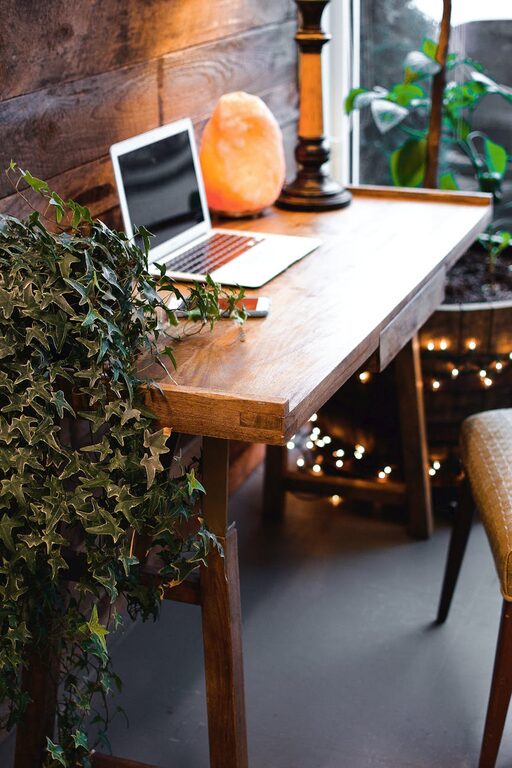
Tips for Creating a Cozy and Inviting Home Workspace
Creating a cozy and inviting workspace at home can significantly improve your focus, creativity, and overall work satisfaction. Whether you work remotely full-time or occasionally take your tasks home, having a dedicated, comfortable area designed to suit your needs is essential. This guide offers practical tips to help you design a workspace that feels welcoming and keeps you motivated throughout the workday.
Why a Cozy Workspace Matters
A workspace that feels inviting is more than just a nice place to sit—it’s a space that supports your mental well-being and productivity. When you feel comfortable and relaxed, you’re less likely to experience burnout or distractions. The environment affects your mood and how you approach tasks, making comfort and design important factors.
Choose the Right Location
The first step in crafting a cozy workspace is selecting the best spot in your home. Consider these points:
– Natural light: Aim to set up near a window, as natural light can boost mood and reduce eye strain.
– Quiet space: Find an area away from heavy foot traffic and noise.
– Space availability: Ensure there’s enough room for your desk, chair, and any tools or equipment you need.
If your home doesn’t have a spare room, even a compact corner can work well with the right setup.
Invest in Comfortable Furniture
Your furniture choices impact both comfort and posture.
– Ergonomic chair: Choose a chair that supports your lower back and encourages good posture to prevent discomfort during long work sessions.
– Desk height: Use a desk that suits your height and allows your forearms to rest comfortably.
– Footrest: If your feet don’t touch the floor flat, consider a footrest to reduce leg strain.
Comfort doesn’t mean sacrificing style; many modern furniture options combine both.
Personalize with Soothing Colors and Decor
Colors can influence your mood and concentration. Opt for soothing tones like soft blues, greens, or neutrals that help create a calm atmosphere.
Add personal touches to make the space feel inviting:
– Plants: Incorporate some greenery to improve air quality and add a natural element.
– Artwork: Hang prints or photos that inspire or relax you.
– Textiles: Use cozy rugs, cushions, or throws for warmth and texture.
These elements help create a space where you want to spend time.
Organize and Declutter
Clutter can be distracting and stressful. Keeping your workspace tidy promotes focus.
– Storage solutions: Use shelves, drawers, or baskets to keep supplies organized.
– Cable management: Use clips or sleeves to keep cords neat and out of sight.
– Daily cleanup: Spend a few minutes at the end of each day to put things in order.
An organized desk supports clear thinking.
Optimize Lighting
Besides natural light, good artificial lighting is essential, especially if you work early mornings or late evenings.
– Desk lamp: Choose adjustable lamps that direct light where you need it.
– Warm bulbs: Use bulbs with a warm color temperature to create a cozy ambiance.
– Avoid glare: Position screens to prevent reflections and strain.
Well-planned lighting reduces eye discomfort and helps maintain alertness.
Incorporate Functional Technology
Technology can make your workspace more efficient and comfortable.
– Monitor stands: Elevate screens to eye level to protect your neck.
– Keyboard and mouse: Select ergonomic designs to reduce strain.
– Noise-cancelling headphones: Useful if your home has background noise.
Use technology thoughtfully to support your work habits without causing clutter.
Add Comfort and Wellness Features
Small details can enhance your well-being during work hours:
– Water bottle or mug: Stay hydrated with a nearby water source.
– Aromatherapy: Light a mild scented candle or use essential oils to create a relaxing environment.
– Break area: If space allows, set up a small corner with a comfortable chair for short breaks.
These touches make your workspace a pleasant place to be.
Establish Boundaries
Finally, setting clear boundaries between work and personal life helps maintain balance:
– Dedicated work hours: Stick to a schedule to avoid overworking.
– Physical separation: Use room dividers or curtains if your workspace is in a shared area.
– Signaling: Let family members know when you are “at work” to minimize interruptions.
Boundaries preserve the cozy atmosphere and support productivity.
—
By thoughtfully combining comfort, style, and function, you can create a home workspace that is truly cozy and inviting. This not only enhances your daily work experience but also encourages better focus and wellbeing. Try these tips and tailor your workspace to reflect your personality and needs, turning it into your favorite room in the house.
